
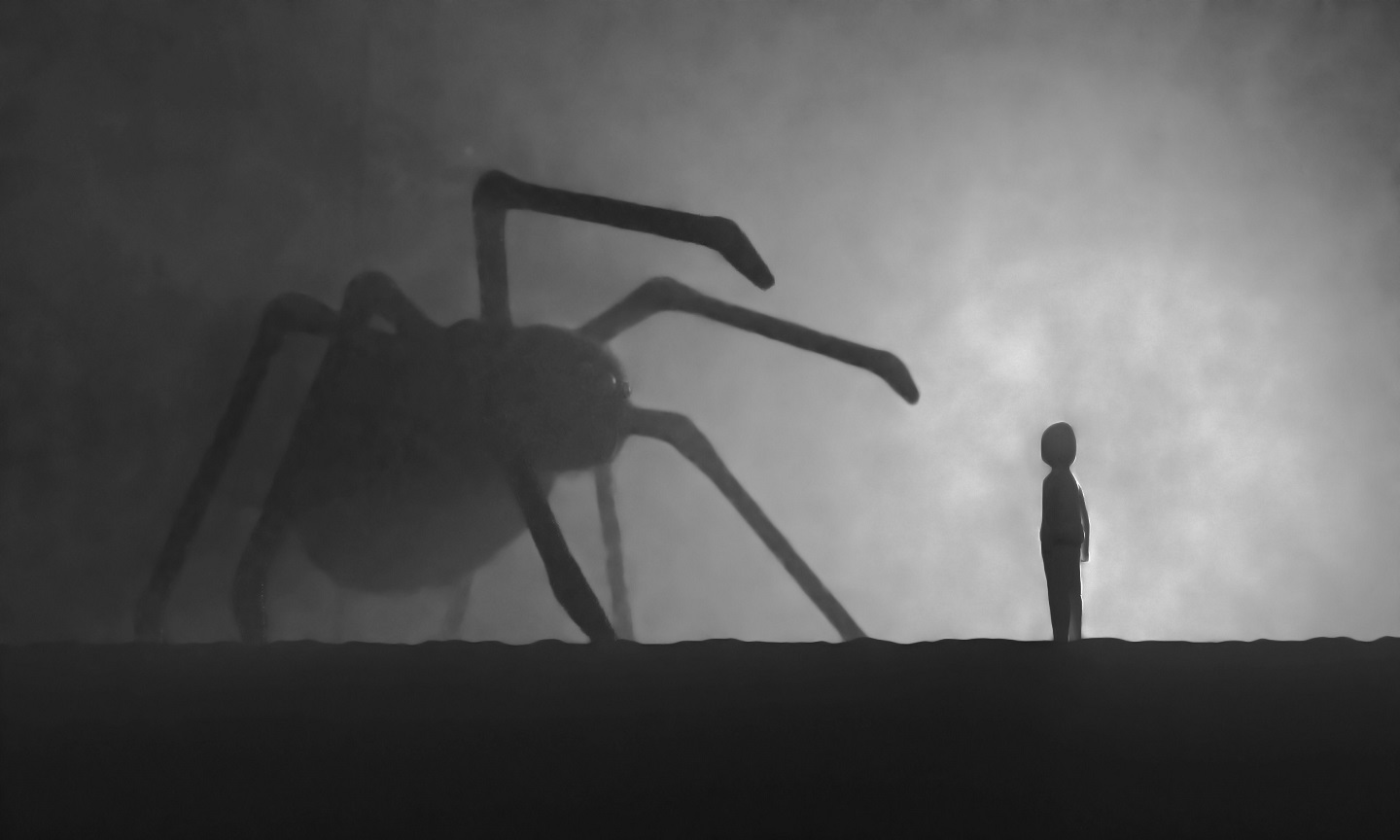
It started so subtly, I didn’t even notice it at first. Addiction crept into my life like twilight slipping quietly over the horizon. The first time I used heroin, it felt like finding the missing piece of a puzzle I hadn’t realized I was trying to solve. It wasn’t an invasion; it was a relief. But by the time I recognized its presence, it had become a shadow that loomed over everything, feeding off my pain, my doubt, and the parts of myself I refused to face.
Addiction often doesn’t make a grand entrance. It slips into our lives quietly, like a shadow as the sun begins to set. At first, it goes unnoticed, almost feeling like a natural part of our existence. But by the time we realize it's there, it has taken over everything. Addiction isn’t just about habits or cravings—it represents a hidden part of ourselves, created from the emotions we keep buried and avoid confronting.
Shadows aren’t necessarily bad; they exist because of light. However, we tend to fear them because they remind us of our hidden truths. The famous psychologist Carl Jung called this hidden part of ourselves our “shadow.” It includes our suppressed anger, unexpressed grief, and fears we try to ignore. Society often views addiction as a personal failure, but in reality, it acts as a misguided way to cope—an escape from facing our deeper troubles.
Many myths and stories feature monsters that symbolize our inner struggles. For instance, in Greek mythology, there’s the chimera—a creature made up of different parts that embodies confusion and chaos. In Slavic folklore, there’s Baba Yaga, a witch who lives in the forest, representing both fear and change. These mythical beings are not just frightening; they reflect the unknown parts of ourselves.
For me, addiction was like my personal chimera and Baba Yaga. Heroin lured me in with the promise of relief and escape, much like the mythical sirens that sang to sailors, leading them to danger. Its call was soft and sneaky, whispering that I would never be happy or enough without it. For too long, I believed these lies.
But heroin wasn’t just a substance; it was a creature I summoned to protect myself from pain, doubt, and fear. It didn’t cause my struggles; it thrived on them. This is similar to the monsters in stories that feed on our hidden truths rather than our physical selves.
Our shadow selves are not created in a vacuum. They are influenced by the world around us—a culture that encourages disconnection and isolation. Addiction often stems from external pressures, like the pharmaceutical industry offering quick fixes and media narratives that amplify feelings of inadequacy. This creates an environment where the shadow can thrive, echoing voices of despair.
These systemic issues can be likened to the Archons in Gnostic mythology—entities that twist reality and prosper from human suffering. They exist in the dark corners of our minds, in the systems we accept, and in the structures that profit from our struggles.
The pharmaceutical industry often seeks to maintain dependency instead of truly helping people. Similarly, the media creates a cycle of fear and wants more consumption, while Silicon Valley has us giving up our autonomy for personal convenience. Together, these influences make it easier for addictions to grow and flourish.
However, shadows can also hold powerful lessons. That darkness isn’t just emptiness; it can reflect our hidden truths. Existential thinkers suggest that by facing our fears, we find our freedom. Looking into the darkness can be daunting, but it is also where transformation begins.
In my battle with addiction, I learned to recognize my shadow—not as an enemy, but as a teacher. The monster inside me wasn’t trying to bring me down; it was revealing the emotions I had long ignored. I began to see my buried grief, my unvoiced anger, and my fear of being truly seen. Instead of fighting this monster, I needed to learn from it.
We live in a society that values light—clarity, progress, and certainty— while often shunning the darkness. Yet, it’s in those dark moments that we can discover deeper truths. Just as we see the stars when the sun goes down, darkness can unveil parts of ourselves hidden away for too long.
Through my experience in various rehabs, I learned how to be present with my darkness. Sitting in nature, observing the patterns made by the trees, I realized that the monster within me wasn’t separate from who I was. It was a part of me. In the journey through darkness, I began to uncover pieces of my true self.
Rehab wasn’t a simple cure. It didn’t magically fix everything; it was something more complicated—a place where I was stuck between my old life and whatever came next. I arrived feeling broken, unsure, and completely worn out, rather than ready to embrace healing.
The first few days were incredibly tough. My body was adjusting to life without heroin, and my mind felt like it was full of noise. Each cigarette I smoked outside felt like a small piece of control in a place designed to take control away from me.
Rehab wasn’t about freedom; it was about having structure. Each day revolves around routine—waking up at the same time, eating at the same designated times, and going to the same groups and meetings.
At first, this routine feels like a trap, but over time, its importance becomes apparent. In my chaotic life, I had only managed to survive. In rehab, I learned how to truly live.
The concept of being in between, known as liminality, describes the state of transformation. A rehab facility perfectly embodies this in-between state. It’s a turning point, a refuge from the turmoil of addiction, where individuals have to be open and reflective.
In rehab, you are not the person you were while in active addiction, nor are you completely who you will become in recovery. This in-between phase can be both freeing and confusing. The daily activities of regular life—work, relationships, and binge-watching the latest shows on Netflix—are replaced by group therapy and self-reflection. This new way of living forces you to think about who you really are without the substances that once dominated your life. And it makes you wonder who you might become.
Rehab forces you to face the fractured parts of yourself—the self you became during addiction and a self you are trying to rediscover. This self-examination can be painful, but it’s a necessary part of the process.
I started to think of rehab like a cocoon. It wasn’t comfortable, nor was it meant to be. Transformation isn’t straightforward. Some days, I felt like I was progressing, while other days, I felt like I was falling apart. What I discovered later is that sometimes you must unravel before creating something new.
Rehab and recovery groups provide essential structure and community for real change to occur in a time of upheaval. Such change requires deep reflection, vulnerability, and the courage to confront the most difficult parts of ourselves.
Ultimately, the monster we fear isn’t an outside threat; it’s that part of us shaped by our hidden emotions and societal pressures. To break free from addiction, we need to face the darkness within—not to be overwhelmed by it, but to seek its truths. Our shadows are not our enemies; they can guide us toward the light we can only discover after we’ve ventured into the dark.