
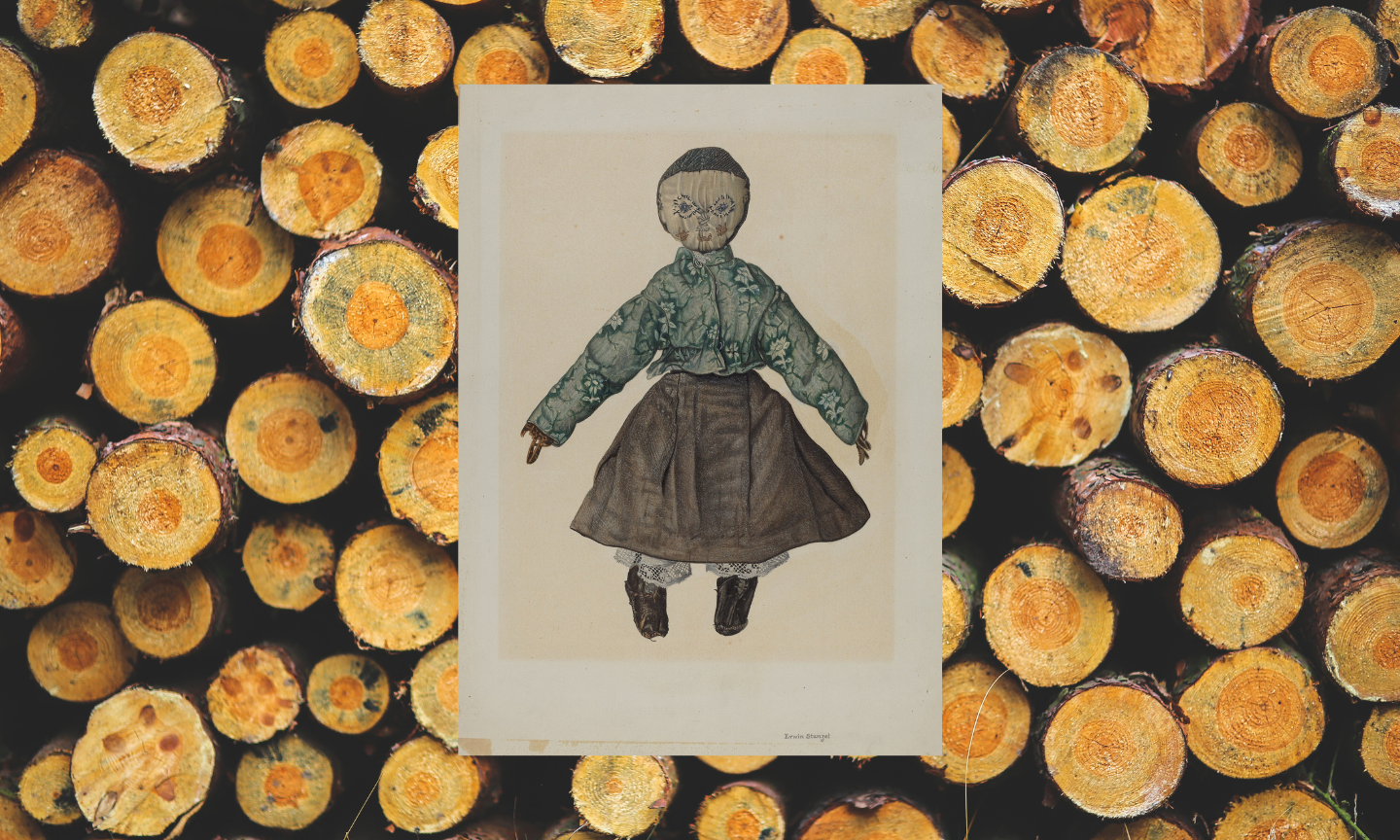
Prairie Unitarian, Madison, Wisconsin, 1971
In Memoriam, Genia Gordon
the aktions start
with bulbous-nosed, round-shouldered, matte-blackpanel trucks ancient enough for the Mayor and Councilnot to contract for insurance against bricksand stones and chunks of concrete block. Cops,hunkered in the thundering dusk of the trucks, girded all in black:padded jumpsuits, helmets, steel-toed boots,leather gauntlets, two-and-a-half-foot hickory stickstethered by thongs to wrists, everything, everythingmatte black, even the chain-link fenceprotecting the trucks lights and windows, all blackexcept for the glistening facemasksand three-foot polycarbonate shields. But no guns,black or otherwise: they feareda longhair might lift one, use it against the forces of order.
Thus armed and armored, the cops in Lucifer’s Black Mariah’scaromed into demonstrations bringing night with them,rear doors spewing pandæmonium: shields flashing,hickory beating tattoos on demonstrators’ hairyskulls. Arrests were not the order. Soonthe demonstrators, too, girded themselvesbut added color: scarlet Wisconsin football helmets, patchworkgreatcoats sewn from grandma’s ragged quiltsbrought to bring the warmth of home to dorm rooms.
that easter
Jean waited after the Servicewhere we fellow Unitarians,the maimed in spirit fallen from all faiths,gathered on Capital Square —where the Aktions happened — to celebrateNature’s Resurrection. Jean needed to talk.As if her life depended on it, asit had in Aktions decades before.
To talk. With me? Me? 27, rightfrom divinity school, thinking shrieksagainst the war could turn the tide,that turning tides was whatwe Unitarians did (besidesNature’s Resurrection). But sheknew better, reminded by the number scrawledon the soft, inner flesh of her forearm: “Again
it happens.” Silence. I wondered whatshe meant by it. Then the wordlesswhimper. A small, exhausted lapdogfoot crushed in a muskrat trap,gnawing to set it free. Andagain, the whimper. I almost managednot to turn from the sound. But then,as I looked away, “When train
take us to Auschwitz, I'm fifteen,not pretty. Well …Nowhere near pretty enough. Notfor officers. SS. You understanding? Others, though …"
She had the bones,but only the bones, shoulders a wire hanger yokedbeneath the slack cotton blouse, cheekssharp as flakes of splintered stone. Onlyher brimming eyes bore flesh, plumpas dumplings.
“my name
not always Jean. When Robertbring me here, I change, wanting onlyto lose foreigner. Jew. BeAmerican. Now,” looking down at handslike stick cages, “America been homeall over, brick flying, rock,policemen at their clubbing. Soonthey start with dog.” A sigh. Again I waited,holding on. Sheinhaled, stiffened, eyesdrifting out the window onto Capitol Square.Where the Aktions happened.
“Human beings, they must have somegood in them, nu?But who can believe? Who?” Breatha knotted ropethat juddered down her throat.“What they do out there … soonpavements glisten with glass and blood. Thenfurnaces. I know. I seensuch places, smelt them.Soot and smudge and oilyold snow on all us been settling. And always
some leather person pushing, pushing,shower packed with flesh. This I see.” Eyesdark as a sealed mine. Notto trouble all the sleepersburied in that seam, she whispered, “Gotto keep faith.”
a trinity of thin fingers
worried for a pulse beneath her number. “Call meGenia.” Thinking she said ‘get ya,’ I tilt
my head, eyes glittering my needto catch an irony I think she means. ButI don’t. Get. Then, “When storm troopshere crack skull again —they will, I know they will — I do what easycome for you. I link armswith students blocking streets. I tell themstudent, ‘Call me Genia.’ Dumb, I guess.Is Polish, not Yiddish — My parents beenneighbor fearing, and pogrom,long before Germans — but isme, my name, Genia. Maybe I make
“positive kids getting point. Sewyellow star to coat. Not that one star …Even if was millions.”
“If could bemillionsnow …”
her eyes lost somewhereout on Capitol Square,“or one tattooed number raised? …
“Raised fist it ain’t such thing stop.”
But, I told her, protestwouldwork. It would.It must.
She staredout onto the Easter Sunday Morning Squarethat waited empty and silentto be filled by freaks and cops.And us. The Faithfulin our innocence.
She sighed a longraw sigh, an Easterwhen-will-this-be-over sigh, a sigh
that rattled last year’s stalksof prairie grass, blanched and drybut still upright, their stiff kneesburied in old snow.