1
Identity
As a childI was made toSleep between my parentsSometimes in the middle of the nightI would wake upFrom my broken sleepAnd reach out for my mother
In pitch darknessUnable to tell apartThose two similar formsI would search both facesThat had rolled over to meMy father’s noseWas rather largeSo I would recognise him easily
For me, the one who was not my fatherWas my motherThus in the darkDid I learnTo identify my mother.
***
पहचान
बचपन में मुझेमाँ और पिता के बीच मेंसुलाया जातामेरी नींद कभी-कभारबीच रात में ही टूट जातीऔर मैं उठते हीमाँ को ढूँढता।
घुप्प अन्धेरे मेंएक जैसे दो शरीरों मेंमैं अन्त नहीं कर पाताइसलिए मैंअपनी तरफ़ ढुलक आएदोनों चेहरों को टटोलतापिता की नाककाफ़ी बड़ी थीसो मैं उन्हें पहचान जाता
मेरे लिए जो पिता नहीं थेवो ही माँ थीइस तरह मैंने अँधेरे मेंमाँ को पहचानना सीखा।
2
Gamchha
Whenever Father left for the cityMother would quickly fetcha gamchha[1] from the almirahand drape it on his shoulderAs if she were wrapping her wishes with it:Return home safelybefore it gets dark.
When newly-wed shearrived at his homePerhaps even back thenMother had wrapped upall her dreams in a gamchhaand handed it over to Father
Father,who would often fail in worldly mattersand get easily deceived,Who would often forget his spectacles, his pen,the keys to the shop and many such things,Maybe in the same wayhe also lost somewherethe bundle of Mother’s dreamson his way to the city, one day…
Mother,whom I have never seen behavelike those wives we see on screen,Whom I have never seenasking for or claiming anything openly,Mother who was only mother,maybe so even for FatherShe could never quite ask him,where he had left behindthat bundle of her dreamson his way to the city one day…
One day when I left to take the trainMother wrapped a gamchhaaround my shoulders tooAnd instantlyI felt its substantial weight
Sitting in a corner by myselfat the railway stationAs I waited for the trainMy eyes fell onthe gamchha on my shoulder—its long face like my own—And I felt the pressure of Mother’s handsstill wrapped around the gamchhaI remembered her hand raised in farewellAnd also Father’s tired shoulderNow drooping even under a gamchha’s weight…
The gamchhathat was now to be my companionfor the whole journey—I stroked it,And gazing at it, smiled in gratitude.
Now, in this city far away from my villageWhenever I step out in the sunThat companion of my sad and searing days—that gamchha, I pick up and wrap around myselfFor I have faith in this gamchhaIn its each and every threadin which lies absorbed my own salt
And to be honestFor a Purabiha[2], his gamchhais not a mere piece of clothRather, on his shoulderit’s his time itself that lies frozen like ice…
[1] Gamchha: A long and light piece of coarse cotton cloth worn over the shoulder or head in several parts of India to shield against the sun and wipe off sweat.
[2] Purabiha/Purabiya: An easterner, i.e. from the eastern parts of Uttar Pradesh and Bihar in northern India.
***
गमछा
पिता जब कभी शहर को जातेमाँ झट से अलमारी से गमछा निकालकरपिता के कन्धों पर धर देतीजैसे अपनी शुभकामनाएँ लपेट कर दे रही होकि सकुशल घर लौट आनामुन्हार होने से पहले
जब माँअपने यौवन में हीब्याह कर आई थी पिता के घरतब भी शायद उसनेअपने सारे स्वप्नों कोएक गमछे में लपेटकरपिता को सौंप दिया था
पिताजो दुनियादारी के कामों में अक्सर चूक जातेगच्चा खा जातेकई बार भूल जाते अपना चश्माअपनी क़लमदुकान की चाबी और तमाम चीज़ेंशायद उसी तरहमाँ के स्वप्नों की पोटली भीकहीं खो आएशहर जाते हुए किसी दिन
माँजिसे मैंने टीवी और फिल्मों में दिखनेवालीपत्नियों की तरह व्यवहार करते हुएकभी नहीं देखाकभी कुछ खुलकर माँगते-मनवाते नहीं देखामाँ जो सिर्फ़ माँ ही थीशायद पिता के लिए भीकभी न पूछ सकी पिता सेकि वे कहाँ उसके स्वप्नों की पोटलीछोड़ आए शहर जाते हुए किसी दिन…
जब एक दिन ट्रेन पकड़ने के लिएघर से निकलामाँ ने मेरे कन्धों पर भीगमछा डाल दियाऔर मैंने सहसाअपने कन्धों पर काफी वज़न महसूस किया
जब स्टेशन पर अकेले किसी कोने में बैठाट्रेन का इन्तज़ार कर रहा थाकन्धे पर पड़े गमछे की तरफमेरी नज़र गईजिसका मुँहमेरी ही तरह लटका हुआ थाऔर मैंने महसूस किया; माँ के हाथ का दबावजो वैसे का वैसा हीअब भी गमछे में लिपटा पड़ा थामाँ का विदा में उठा हाथयाद आया मुझेऔर पिता का थका कंधा भीजो अब गमछे के वज़न से भीअक्सर झुक जाता था…
गमछाजो अब पूरे रास्तेमेरा साथी बनने वाला थामैंने उस पर हाथ फेराऔर उसे देख करशुक्रिया अदा करने की मुद्रा में मुस्कुराया.
गाँव से हज़ारों मील दूरइस महानगर मेंजब कभी बाहर धूप में निकलता हूँतो उदास और कड़े दिनों के साथीअपने गमछे को उठाता हूँऔर उसे ओढ़ लेता हूँक्यूँकि मुझे यक़ीन हैइस गमछे परइसके एक-एक रेशे परजिसमें मेरा ही नमक जज़्ब है
औरसच कहूँतो एक पुरबिहा के लिए गमछामहज़ एक कपड़े का टुकड़ा भर ही नहीं हैबल्कि उसके कन्धों परबर्फ़ की तरह जमाउसका समय भी है
3
The Blue Diary
With the bulk of their words trimmedeven the lengthiest of lineswould fitinto that magical little blue diarykept securely in the alcoveOn the last pages of which I would doodleFrom time to time it would come handyin collecting:relevant coupletsphone numbersold addresseschildren’s birthdayshousehold accountssavings and loansmodest monthly budgetsthe cost of erecting a wall—So much it held,that little blue diary
First, that diary got lostThen that scriptThen those peopleThen that homeThen that way of life.
***
नीली बयाज़
अगर लफ़्ज़ों की सेहत कम कर दी जाएतो बहुत बड़ी-बड़ी सतरें भीउस छोटी-सी जादुई नीली बयाज़ मेंसमा जाती थींजो ताक़ पर हिफाज़त से रखी जाती थीजिसके पिच्छले पन्नों पर मैं चित्र बनाताजिसकी ज़रूरत गाहे-बगाहे पड़ ही जाती थीउसमें हस्बे-हाल शेरफ़ोन नंबरपुराने पतेबच्चों के जन्मदिनहिसाब-किताबबचत-क़र्ज़महीने का पतला बजटएक दीवाल खड़ी करने की लागतकितना कुछ होता थाउस छोटी-सी नीली बयाज़ में
पहले वो बयाज़ गुम हुईफिर वो लिपिफिर वो लोगफिर वो घरऔर फिर हमारा ये जीवन।
4
On Visiting an Ancient Fort
Its antiquity is its real beautyOn its walls, domes, pillars, and turretsTime lies frozen like blood congealed
Besieged by the movement of touristsYet desolateStill desolate;I stand watching amazedAs the sunCollides with its domesAnd splashes over the baseAnd as clouds soaked in sweatTremble in fear;There!Heavy downpour begins—I stand watching from the shelter of a windowAs every raindropReduces a tourist;After a whileI’m the only one left at the fort
Swiftly water slides offThe solid walls of the fortAnd graduallyGets absorbed in surveying its baseWhere stones crack and ooze blood;Everything is drenchedAll dissolvesAnd assumes a form:The wheel of Time has turned backwardsThe ruins of the fort are stirring,Brushing off dustThey wake now from their eternal sleep;I tremble with sweat
Uff!Such noise hereSuch silenceSuch vibrancy
Such splendourSuch luxurySuch envySuch agony!
***
एक प्राचीन दुर्ग की सैर
प्राचीनता ही दरअसल इसकी सुंदरता हैसमयदुर्ग की दीवारों, गुंबदों, बुर्जों और स्तंभों परगाढ़े ख़ून की मानिंदजम चुका है
सैलानियों की आवाजाही से आक्रांतलेकिन उजाड़फिर भी उजाड़मैं अवाक् खड़ा देख रहा हूँसूर्य को गुंबदों से टकराकरनींव में छिटककर गिरते हुएपसीने से लथपथ बादलों कोभय से थरथर काँपते हुएलो!तेज़ बारिश शुरू हो गईमैं झरोखे की ओट से देख रहा हूँबारिश की हर बूँद के साथएक सैलानी को कम होते हुएथोड़ी देर बाददुर्ग में मैंबिल्कुल अकेला हूँ
दुर्ग की मज़बूत दीवारों से पानीतेज़ी से फिसल रहा हैऔर धीरे-धीरेनींव की शिनाख़्त में मशग़ूल हो रहा हैजहाँ पत्थर चिटक रहे हैंऔर उनसे रक्त रिस रहा हैसब कुछ भीग रहा हैघुल रहा हैआकार ग्रहण कर रहा हैसमय का पहिया पीछे की तरफ़ घूम चुका हैदुर्ग के खंडहर सुगबुगा रहे हैंऔर धूल झाड़ते हुएअपनी अनंत नींद से अब जाग रहे हैंमैं पसीने से थरथर काँप रहा हूँ
उफ़्फ़!कितना शोर है यहाँकितनी ख़ामोशीकितनी रंगीनी
कितना वैभवकितनी विलासिताकितनी ईर्ष्याकितनी-कितनी यातनाएँ!
5
Murderous Poet
His poems always left me astonishedOften, on reading the lines he pennedMy heart would swell with compassionHow do I describe how his poems have made me cryEver so oftenIn my midnight desolation
For long I knew him by his poems aloneThen suddenly I met him at a gathering onceAnd was directly introduced to himGradually, I learnt his political leaningThat clearly favoured the murderersThe very earth shifted under my feetI failed to understand how my beloved poetCould act as the shield of murderersI felt like burning up his poems—Those I had cried over again and againThen suddenly I read another poem of hisAnd changed my mind
How can a poet masquerade soIn poetry?I’m still stunned by itI tear my hair outI gaze at his picture, at that innocent face of hisSplashed all over with the mild sunI think to myself, tomorrow he might hold a knife to my throatAnd I won’t even be able to protest itSuch a strange love I bear himUff!Perhaps I’ll say to him:Brother, after slitting my throat, do wash your hands before leavingAnd change into the clothes from my almirahYour poems are very dear to me!
***
हत्यारा कवि
उसकी कविताएँ मुझे चकित करती रहींउसकी लिखी पंक्तियाँ पढ़करअक्सरमन करुणा से भर-भर जाताकैसे कहूँ कि उसकी कविताएँ पढ़कर रोया हूँ बारहाआधी रातों के सुनसानों में
बहुत दिनों तक उसे उसकी कविताओं से ही जाना थाअचानक वो मिल गया किसी गोष्ठी मेंऔर उससे सीधे पहचान हुईधीरे-धीरे पता चला उसका राजनीतिक पक्षजो कि नि:संदेह हत्यारों की तरफ़ थामेरे पाँव से ज़मीन ही खिसक गईविश्वास नहीं हुआ कि कैसे मेरा प्रिय कविहत्यारों की ढाल बन सकता हैजी हुआ उसकी कविताएँ जला दूँजिसे पढ़कर रोया था बार-बारफिर अचानक उसकी एक और कविता पढ़ीऔर मन बदल लिया
कोई कवि इतना अदाकार कैसे हो सकता है कविता मेंअब भी चकित हूँनोचूँ हूँ घासदेखूँ हूँ उसकी तस्वीर, उसका मासूम चेहरा, जिसपर फैली है गुनगुनी धूपसोचूँ हूँ, शायद वो कल मेरी हत्या करने मेरे गले पर छुरी रखेतो मैं उसका प्रतिरोध भी न कर पाऊँअजीब प्रेम है उससे मुझेउफ़्फ़!शायद उसे कहूँ कि, “भाई मेरा गला काट के हाथ धो के ही जानाअलमारी में मेरे कपड़े होंगे उन्हें पहन लेनामुझे तुम्हारी कविताएँ बहुत अच्छी लगती हैं !
***
Translator’s Note
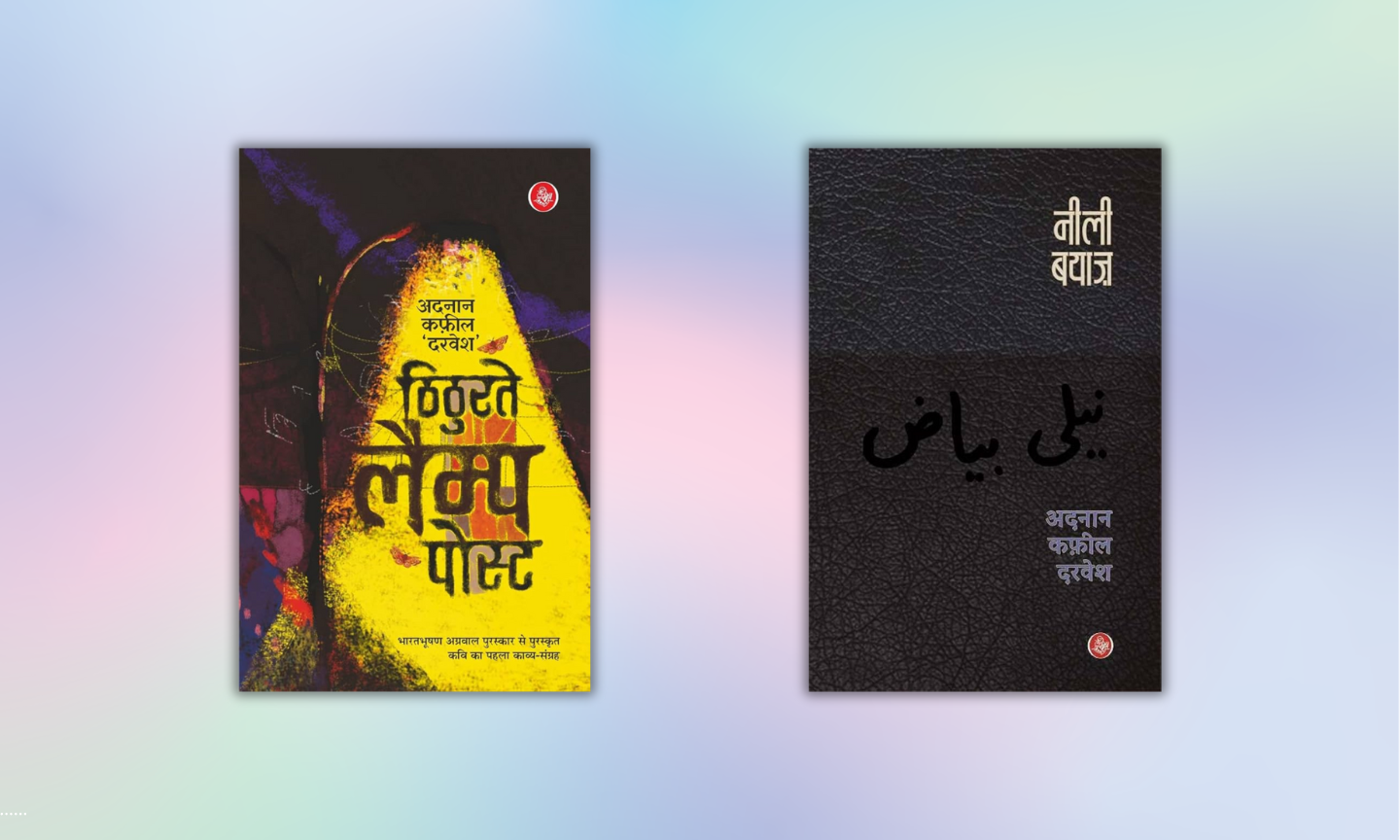
My introduction to Adnan Kafeel ‘Darwesh’ was through his explicitly political poetry that challenges the prevailing socio-moral order and provokes our collective conscience. However, as I read him further, I discovered that his poems display a wider variety of themes and styles, and it is some of this that I have tried to convey through my selected translations here. ‘Identity’ drew me for its psychoanalytical undercurrents of a little boy learning to distinguish between his parents in the dark. If ‘Gamchha’ reads like a charming ode to a prosaic object, symbolic of a strong rootedness in family and village, then ‘The Blue Diary’ recalls the modest middle-class of yesteryear, evoking ways of living, being, and registering existence that have now faded. On the other hand, ‘On Visiting an Ancient Fort’ expresses an urban taste for flânerie and animates ancient architecture and history. Lastly, the pathos of ‘Murderous Poet’ lies in its meditation on art and violence and its earnest reflection on that crucial question of our times: what does it mean to separate the art and the artist? The temporality of these poems is both mythical and contemporary, their tone both timeless and urgent, and their spatial sensibility combines both village and city. As these poems unfold in the poet persona’s memory, conscience, and imagination, and take us from childhood to youth, they also form a narrative of a poet coming of age.