
I have so much to tell you,now that I am dead.
I left my native soil in 1895 to seeka land as warm as gold, as richas mother’s milk, its name Italianas my own: America.Named for my countryman,Amerigo, the map maker.
I learned this from the voices ofthe other dead.
I was one of 14 million.They called it a diaspora.I did not know the meaningof that wordin my lifetime.
The dead know so much morethan the living.
How could I have known?What does a leaf knowof all the other leaveson all the outstretched armsof downy oaks?What does a leaf care if it isone of 14 million?It simply goes about its day,bending in the wind,cupping the rain.Doing what it must doto stay alive.
I would not have left my home,had there been food.With only half enough to feed us,half of us must go.
And so, I ate six thousand miles.I ate the Apennines and the Alps,devoured the French lavender fields,the sands of Normandie. I ate the swillof rank steerage and saltwater,drank the sweat and grit of huddledpassengers who sailed with mefrom LeHavre to Ellis Island.
Although I could not read or write,the words were brandedon my strong back. They said,I will build your bridgesand pave your highways.Split the stone in your quarries.Cobble your leather shoes.I will work for food.
I came to eat at your table,Lady America. I came to sit,elbow to elbow, with boat peopleand caravan walkers.Those who came with bare feetand sacks of hunger.Even the caged and the stolen ones.I share my bread with them.I hold on my lapthe little Guatemalan girlswho died at your armored gates.
At the table of the dead,what is there between us?
Even though I am dead,my bones still creak and thirstfor greenish olive oil.My empty rib cage still encaseswhiffs of Apennine air.My crumbling tongue begsthe tint and dew of blood-coloredwine. And cured flesh of fatty hog—it, too, as red as wine.
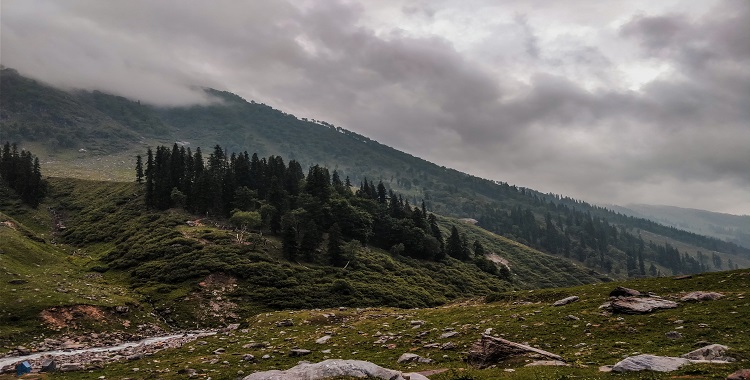
But most of all, my body cravesthe crumpled green cloth of mountain slopesI once knew,as comforting as cornmeal porridgeto feed myimmortal hunger.
***