
“What do we know about rabbits?” asks Ms. Turner of her first-graders. Outside the classroom window, the old elm tree shivers against an encroaching thunderstorm.
“They eat their poop!” shouts Arturo. Poop is Arturo’s favorite word.
“They are frightened by loud sounds,” Samantha whispers in my direction.
“They… they… –” Benny R. has trouble getting his words out. Ms. Turner crouches beside his desk, which helps to steady him. “They… love… carrots,” he manages to finish.
“And poop!” Arturo again.
The children squeal and though I am frightened by such shrill noises, their little chorus takes me back to an early summer day in the meadow where I was born. Scents of rosemary and wild strawberry juice dribbling down my chest as clouds passed overhead, fluffier than the cotton-tails of my fellow rabbits grazing wide-eyed and alert.
Ms. Turner lightly presses her hands against the empty space between her and her classroom to settle down the laughter. “Rabbits are also mammals, like us,” she whispers, as if letting the children in on some great mystery. “They grow inside their mommies and, when they are born, they have no fur and their eyes are still closed! But there are differences between us, too. Rabbits are herbivores—does anyone know what that means?”
“Um, they only eat plants.” Zazi calls from the back. “Like flowers or, um, lettuce.”
“And don’t forget—” But before Arturo can chime in again with his refrain, Ms. Turner intercedes. “That’s correct! In fact, I have some greens for us to feed Mr. Bun Bun.” She pulls a fresh rosette of kale from a paper bag and tears off a deep-purple leaf.
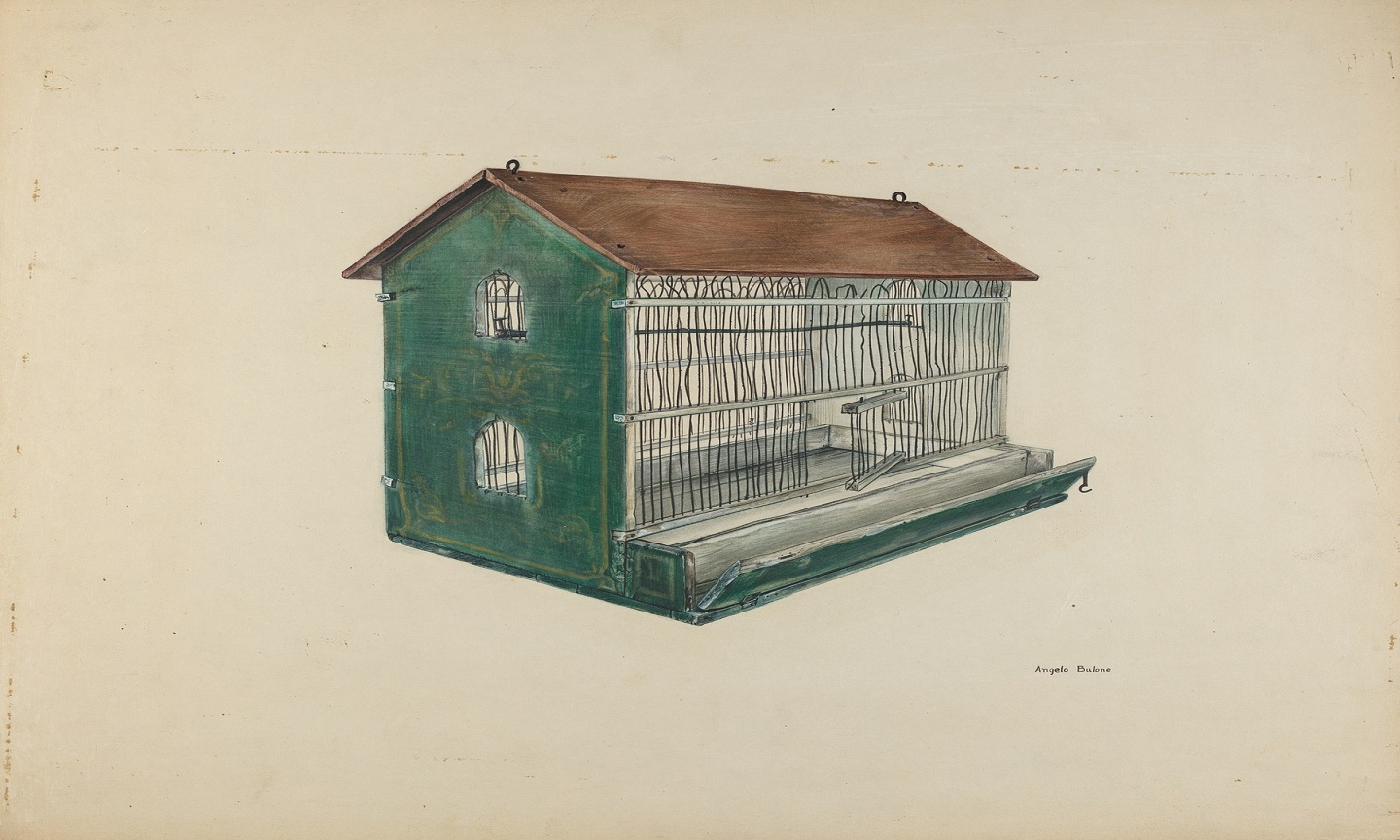
While the children gather around my glass enclosure, giggling as my nose twitches at the scent of earth, I think back to what I was taught about being a rabbit when I was a kid. That we had long legs to run fast and far. That our ears were made to detect danger, the near-silent swoop of talons or steady footfalls of some larger creature sneaking up from behind. We learned, too, how to travel in a zigzag pattern, allowing us one last hope for evasion when all else failed.
Ms. Turner lifts the screen lid off my cage, then gently lays the sheath of kale across me like a hero’s cape, the children screeching with affection at my sudden invincibility. My ears perk at their cries and, for a moment, I think I’ve heard the crack of a thunderbolt beyond, but between the ecstasy of kale and all these doting stares, I let it be.
“Now, who can tell me—are rabbits predators or are they prey?”
The children don’t yet seem to know these terms.
“Prey are animals who are hunted by others. These hunters are called predators,” Ms. Turner snaps off chunks from a carrot, passing them among the students. “Hawks, eagles, foxes and weasels—they are the predators who eat rabbits in the wild.”
One by one, the children wriggle beside my cage with their carrot offerings, laughing when my twitching whiskers brush against their soft wrists.
Ms. Turner laughs, too. “Now, what do you think we humans are?”
Arturo’s on it. “POOP!”
“We are… we are… prey,” Benny R. manages.
“What makes you think so?” asks Ms. Turner.
“Because we are small and… we like carrots and we are… frightened by loud sounds.”
“Actually, humans are preda—” Ms. Turner begins, just as my ears attune to a blaring vibration in the passage just beyond our burrow, an echo so loud and deep, I feel it also in the thin layer of soil beneath my feet. An acrid, smoky sweet scent permeates the atmosphere.
I remember that smell.
How it stings the nostrils.
That sometimes the red juice dribbling down a rabbit’s chest isn’t from strawberries.
Back in the meadow, when a predator arrived, we rabbits had three choices: stay very still, run as fast as our bodies could carry us, or, recognizing defeat, thump a hind leg to at least warn the others.
Out of instinct, my hind leg begins to thump, because I agree with Benny. The children have been made prey.
Ms. Turner freezes. “The coat closet,” she whispers to the class. “Go!— Now!”