
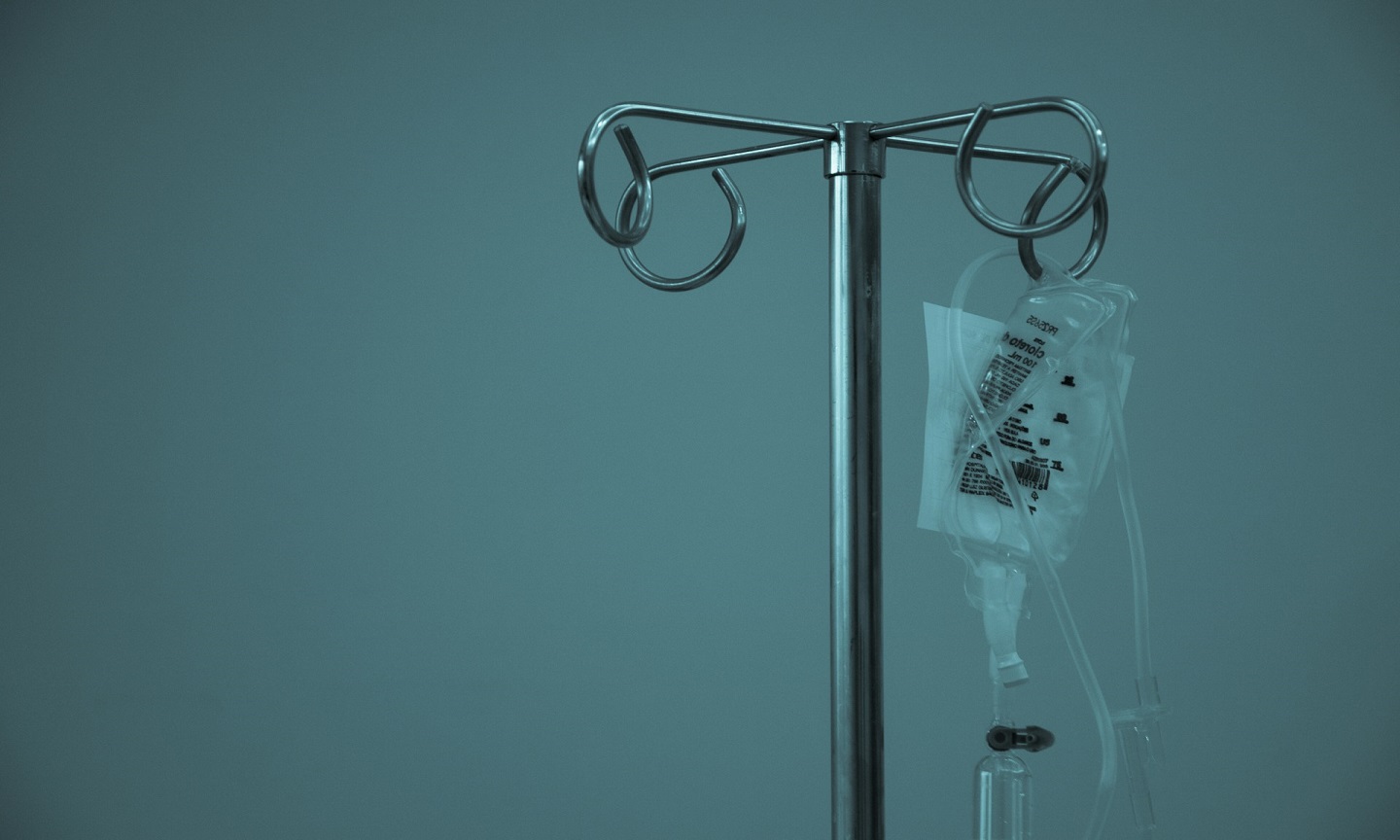
Grandmother Bell rose from her sickbed in the dead of night, defying the stroke that had left her voiceless, confused, and refusing to eat. The day before, her sons had been mulling over the suggestion of a feeding tube. To insist upon this after the recent loss of their father seemed cruel, if not unusual, yet watching her hunger strike at being widowed was a torment.
They’d set up a hospital bed in the dining room off the foyer, open to all who passed by. No one recalled the old custom of laying the deceased on a table for the family to keep vigil. Perhaps, by starving herself, she was only trying to emulate those who had gone before. Her final repose would be near the buffet where a tri-fold display board, flanked by candles, had been dressed with family photos, smiling and lively.
She must have overheard the mystified whispers considering the extraordinary measure of artificial feeding, for they discovered the next day a rebellion of photos torn off and littered around, as if she’d thrown a victory party with glossy confetti. From the floor, all the miniature faces looked up in surprise at this expulsion from her retreating heart. They now seemed unfamiliar, like clippings of strangers.
This was the last in a series of silent tantrums designed by Grandmother Bell to register her displeasure at the situation. She’d lost her ability to speak or write, and tears hadn’t solved her dilemma. She was ready to be gone from the earth, but the earth was holding fast. She’d clammed up against canned vitamin syrups, applesauce and gelatin, the main fail-safes against malnutrition.
They wooed her daily with ice cream scooped in front of her, while she pretended to sleep upright in her chair. Once, she raised a milk-dripping spoon to a smile that couldn’t help itself. Surely then, they reasoned, she must understand the perplexity she had thrown them into–their squirming frustration. Who knew their mother would turn out to be wily.
Even the eldest, a doctor, was no match; he could only offer conflicting advice. His villainous black eyebrows curled upward, but his Saint Nicholas nose–albeit from a love of scotch–suggested a heart in the right place. His actual ticker, though, quivered with atrial fibrillation that could lead to stroke, a hereditary blight on their health. Now, they each saw their fate unsealed before them.
These four Sons of Thunder gathered again in a circle, murmuring high up in their noses, to stifle their rising dread. The youngest was quick to flash a grin and equally quick to glower in self-negation of his sunny temper. His obliging nature meant that if called for, he could be mean. Mostly, he felt bewildered by the way his mother had turned a blind eye to all of them; the woman who’d devoted herself to their needs, aims and wants, especially his.
She was the diamond brooch of the family, who had roasted chickens, hams and turkeys, stirred gallons of iced tea, and served pound cake on Franciscan Apple earthenware. No calorie need ever be counted, nor any puff from a Virginia Slim. She bestowed comfort from hands fragrant with Porcelana. Cold beers were at the ready along with cashews and lemon drops. All was orderly in her faux-Euro home, with neither lint nor stain on its golden carpeting that had resisted decades of sandals, sneakers, wingtips and heels from sixteen grandchildren and twelve greats.
“This just isn’t fair,” said one of the wives in a fit of pique. Her green eyes scanned the others nervously. She hadn’t meant to sound fractious, but the strain was an itch that had turned angry from scratching. She resented being held in suspense by a petulant elderly creature willing herself toward a heavenly reunion by a determined and fatal pout.
They might have stayed like this indefinitely, in a round-robin of fretting over how Grandmother Bell had passed the night. In a burst of flushed inspiration, the middle brother turned to the younger grown grandchildren. Sympathetic voices over the phone promised to visit soon. One of the few who actually came was Lindsay, who’d recently been declared to be cured of a rare form of cancer. She arrived with a toddler in tow.
She met her grandmother’s wary blue gaze that lowered in disappointment that the two blonde visitors weren’t angels of deliverance, but merely offspring of her marriage bed. Even little Samuel failed to entice her into sharing his afternoon snack of peaches.
Lindsay spied the barren display board leaning against the wall and easily diagnosed her grandmother’s nocturnal ripping frenzy: “She took them all down because we’re keeping her here and she wants to leave.”
“What makes you think that?” asked a cousin, his forehead twitching. He didn’t like all this talk about dying as if it were merely a vacation gone wrong. Anything to do with the hereafter was strictly up to God and the doctors, regardless of what people wanted.
“Looking at pictures of my family every day and night is what kept me here.” There was nothing to be gained by refuting this simple statement, so they all receded into the afternoon shadows.
Lindsay’s pronouncement proved to be true, for Grandmother Bell had a second stroke later that evening; mild, but enough to tax her system into the red, and end the puzzlement.
The display board was now bound for the funeral home, this time with her high school portrait in the center, a smiling sepia Mona Lisa with Marcelled hair. She was no longer wedded to the earth, to every living thing that crept upon the ground, nor flew in the air, nor swam in the ocean. She was weightless now, without threats of sustenance or maternal devotion tugging at her shoeless feet. Her flight went straight to her departed love, where he waited behind the wheel of a Model A Ford, the rain pattering the windows like kisses, a jubilant shower of welcome and delight.
Photo by Marcelo Leal on Unsplash