We Are Here: Writings by Afghan Women (Usawa Literary Review)
This TBR Highlight seeks to draw attention to writings, conversations and artwork by Afghan women that Usawa Literary Review has courageously and emphatically presented in their Matchbox edition, September 2025.
The modern world, driven by technology and the mobile screen’s ubiquitous presence, has made feigning of ignorance an impossibility. Unless one deliberately looks away. For writers and editors, for artists, filmmakers, poets, playwrights, looking away is often akin to the dying of the creative response. Ideally, the creative response is unbiased, unrestricted by geographical, societal, cultural, linguistic borders. So, when a literary magazine decides to devote an issue to the women of Afghanistan, it is a welcome collective nudge to the world: to hear the voices that are being silenced, to see faces and expressions in spaces that have been snatched away from them, to question the gender apartheid that is unparalleled in the world but reflects various shades and degrees of gender discrimination, patriarchy, extremism, violence and suppression in different corners of the world. To stand up for one is to stand up for many.
Edited and compiled by Shikha Sawhney Lamba, Usawa’s special issue brings together “the voices of thirty-seven Afghan women and girls … authors, activists, artists, a dentist, an ex-ambassador, teachers, university students, small business owners, school students, a film-maker, writers, a paediatrician, an office manager, a mental health professional, media producer, and a magazine editor. Their voices include an internationally best-selling Afghan author, one of Afghanistan’s most renowned poets, a Fulbright scholar, and girls from an orphanage. These thirty-seven voices offer you a glimpse of Afghan women’s life experiences. Through them you will get to witness their hopes and dreams, their grief and anger, and their remarkable strength to endure and rise in the face of the unimaginable” (Editor’s Note: ‘We Are Here: Writings by Afghan Women’).
These voices and their creative expressions, whether through fiction, poetry, artwork, interviews, conversations, highlight not just the lack of rights that women in Afghanistan have been battling over the years, but also the efforts of individuals and organizations in trying to keep hope alive, about the possibility of humanistic intervention, of keeping the blue sky in sight even in the midst of gunfire and internet shutdown that threatens to shut down their lives or their efforts to reclaim what they can of their lives.
The issue places the reader firmly in the world of Afghan women, in the maze of their daily navigations and journeys towards self-preservation and self-sustenance, of sisterhood in the face of unimaginable patriarchal domination, of immigrant struggles in unfamiliar settings. “The situation is beyond urgent,” writes Nigin in ‘Losing All Hope’. “We are on the edge of being buried alive. Some of my friends and students have already turned to suicide. Women’s mental and physical conditions are collapsing.”
Here are two excerpts from poems written by orphaned Afghan girls between the ages of 10 and 14:
1)
With Many Hopes
With books and with a pen,
I dreamed to read and build my homeland.
But they set fire to the books and burned my dreams.
When my hands were torn from the pen,
Arrows of death rained down upon me.
My dreams of peace remained,
But my life turned to ashes.
2)
If I were to say where my books have taken me,
The men of this age would stone me mercilessly.
The struggle is not for the self alone, but also for the land:
Afghanistan-
my wounded land,
you bleed, you burn,
but still you stand.
(From ‘I Sleep with Silence’, by Noshin Ahmadyar. Age: 15)
By expressing themselves, the women do not seek alms or aid. They demand their rightful place under the sun, in society, the demand of all women everywhere, especially when confronted with socio-political-religious extremism that traps them at every step. Yet, they resist, they persist. Yet they rise.
“We don’t want our country to be dependent on aid. We want the freedom to work, to earn for ourselves. These are survival strategies, not solutions for eliminating the Taliban. While I respect everyone who is helping Afghan women, giving food to women often makes them feel helpless, but giving them motivation and building their capacity gives them dignity and self-respect.
Feminism takes many forms. For Afghan women, it’s in the courage to go to school, speak up, and keep hoping. For us, feminism is resistance against the Taliban. Let’s not reduce feminism to one image or one way of being” (Nigin, ‘The Kind of Feminism Afghan Women Need’).
In its choice of title and the array of writings and artwork, WE ARE HERE emphasizes and reiterates the presence of these women and compels us to look at the spaces they inhabit and the journeys they undertake.
Link to the issue: https://usawa.in/category/we-are-here-writings-by-afghan-women/
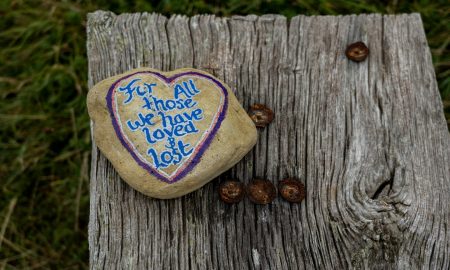
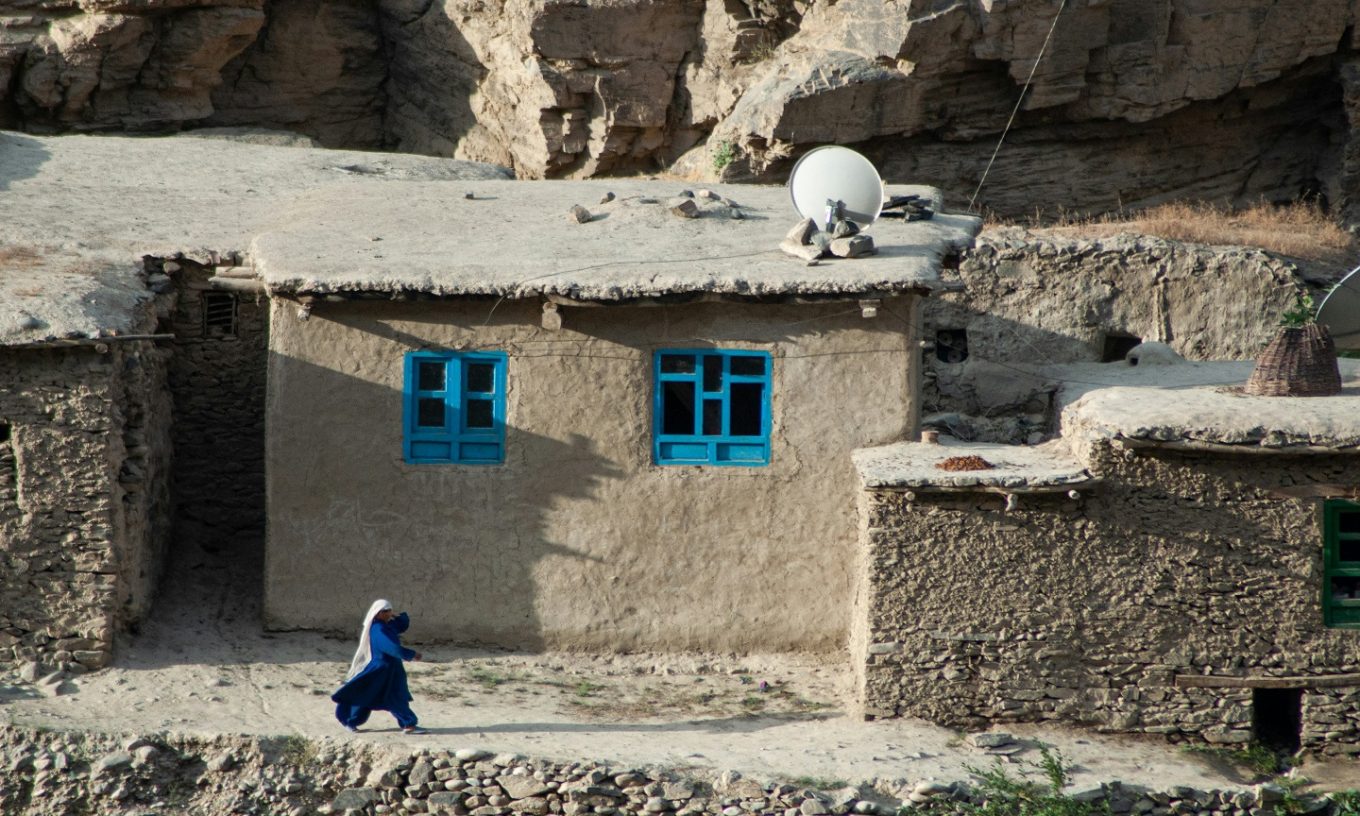
Photo by Joel Heard on Unsplash