
I’m cooking and writing. Why not? A sentence or two between chopped vegetables—first, onions and garlic, second, carrots and potatoes, third, artichokes and fresh dill and parsley. My mother is in the next room watching the news. She’ll tell me that an international firefighting brigade from all over Europe and the Middle East has come to Greece to help with our hell. I’ll say, “I read that online.” The onion stings the slice in my thumb from two days ago when I stupidly cut a peach toward myself instead of away. I also have a burn on my left index finger because I lifted the lid of a roasting dish without protecting my hands. That’s the index finger with white nail polish and a blue eye painted on it for protection.
The problem with ordinary life is that it’s not ordinary because it’s slipping away. This red onion I’m dicing, for example, was probably grown somewhere in the Peloponnese or Thessaly, where wind propels fire cross the fertile fields. Sorrow seizes my chest and I close my eyes for a moment because without meaning to I recall the beehives, so innocent, blue boxes lined up neatly, the tethered donkeys and mules–beasts of burden almost completely obsolete now–and the hobbled sheep and goats. They’re unlikely to be as lucky as the racing horses in the wealthier Northern Suburbs of Athens. I’d stood for a moment, a dishcloth still draped across my shoulder, watching TV with my mother. A reporter held the halter of a white horse, a building smoldering in the background. In Varybobi, the people at the riding facilities, private estates, and farms had opened the stable doors and the distressed horses ran through the streets.
I meant to write that just now as the onion was disinfecting my still open wound, I heard something like thunder—and I thought, “No, maybe it’s a car accident or someone moving furniture.” I ran out to the balcony and felt a raindrop as the sky pronounced the collision of clouds. I unclipped the laundry from the drying rack and dumped the coverlet and towels and our sunhats on an easy chair, messing up the living room, which I spent all morning cleaning and organizing. Oh well, my mother will want supper and I have some sentences to write.
I’m ruminating Robert Hass’s “Meditation at Lagunitas,” as if it were a catchy tune, but get hung up on the line” a word is elegy to what it signifies”—I keep substituting “a thing is elegy to what it is.” And then that shift from ordinary life to the specter of nonexistence recalls the last lines of Cavafy’s “Morning Sea,” the way desire supersedes nature’s beauty:
Let me stop here. Let me pretend I see all this.
I really did see it for a second when I first stopped)
and not the usual daydreams here too,
my memories, the images of the body’s pleasure.”
Yes, these two poets sing in me as they have most of my life. I wish I were remembering the body’s pleasure, swooning, knowing that moments of union—ecstasy in its root sense—will end and that’s a kind of loss constantly replicating longing.
I love sex, even with my gray hair and menopause, that word we’re not supposed to say. A doctor, who was trying to prove that I was bipolar, gave me a test. When asked if I had bursts of creativity, I checked yes.
“I’m a creative person,” I explained, “it’s part of the process.”
He replied, “That still counts.” Then he asked about my sex drive.
“I want as much sex as I can get,” I answered defiantly, smacking a dangling heel against the examining table.
“That’s not normal. Women your age want flowers and a card, maybe, but not sex.” He leaned against the wall, with his arms crossed, “Look it up,” the doctor said, “you’re a scholar and a poet.” He was really saying, “Disappear. Women your age are supposed to disappear.”
I’m cooking “Artichokes a la Polita” meaning “from the City,” a recipe passed down to me matrilineally. My family were refugees during the Great Catastrophe and landed in the Northern Suburbs where my mother still lives. Another wildfire broke out there and the air is dangerous to breathe, which is why we’re not there but here at my place in the center of Athens. Once the atmosphere was so pure they sent TB patients to Marousi to convalesce—there’s the old hospital across the street from our apartment building, which was a villa until 1981. In the Northern Suburbs, artichokes grow, blooming purple atop tall, thick stalks in the community gardens which stretch between acutely flammable pines and ancient cypresses seven stories tall, all the way to the olive and carob and oranges groves–those fruit trees saved my family from death during the famine of the German Occupation. Every tree quietly nurtures a history of the ancestors’ subsistence and the air we share with our neighbors.
I’m pressed for time and I’m not full of longing like those poets I love who write loss is desire and vice versa. I need to peel the potatoes and carrots and that’s not sexy today. I look outside to see if the balcony is slick with rain yet. I guess that raindrop was a false alarm or a tease as if God answered our prayers then had a change of heart—if God has a heart. Or perhaps I misunderstood the Divine accepted a bribe—if I do this in penance, will you accept my foreign currency and redeem me and the world? Or perhaps my upstairs neighbor watered his rooftop garden on a hot August day during drought.
August 11, 2021
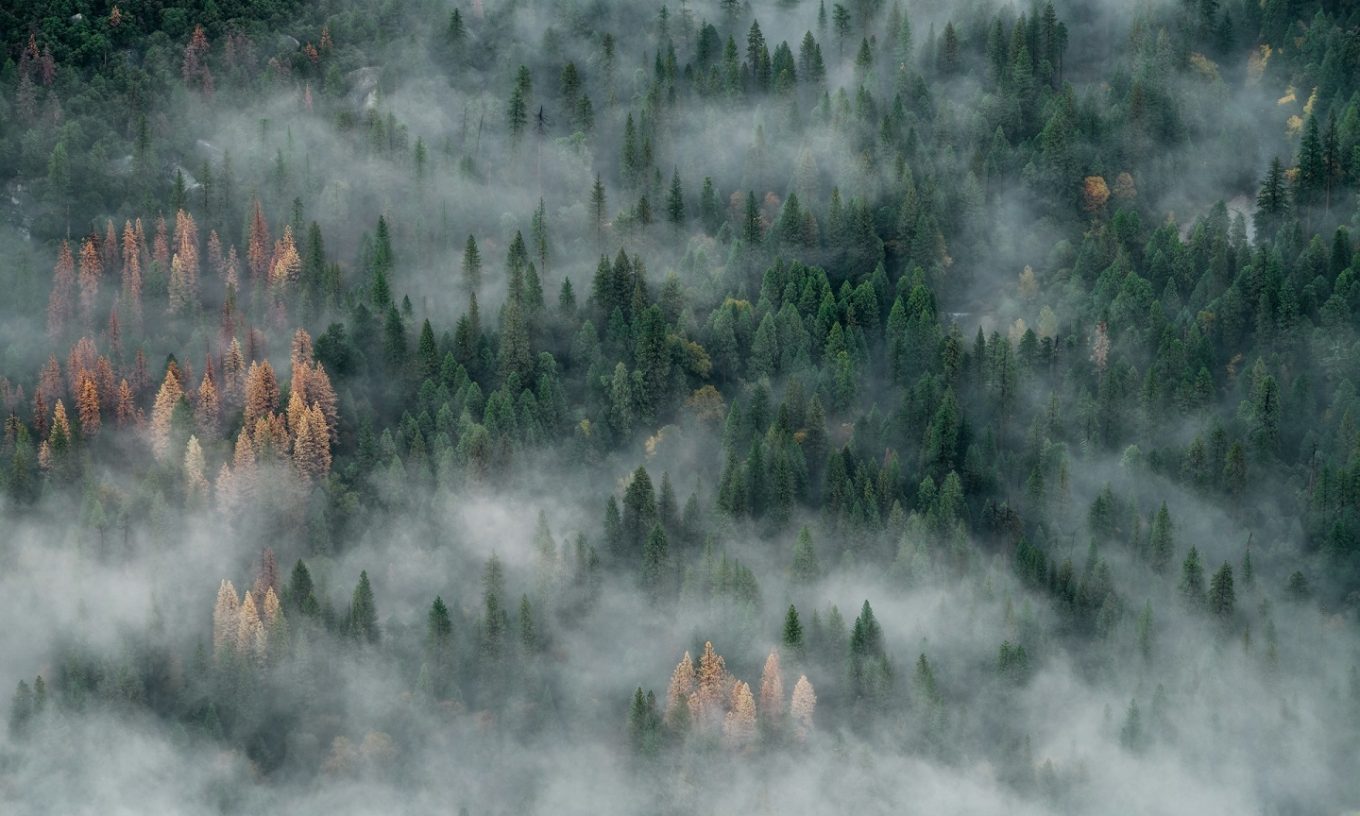
Photo by JOHN TOWNER on Unsplash