
On a cold December night (2nd, December 1984), the city of Bhopal(India) and its people were met with a catastrophic fate that would change the lives of lakhs of people, but especially the poor who lived in the fringe areas of the Union Carbide India Limited pesticide plant. Methyl isocyanide (MIC) a colorless, toxic, and foul-smelling liquid harmful if swallowed, inhaled, or absorbed through the skin, causes organ damage. With prolonged exposure leaked from the Indian Carbide factory thousands of people were killed almost overnight, while lakhs of others remain affected, and babies in the next generation were born deformed. This is the case of a nation still suffering.
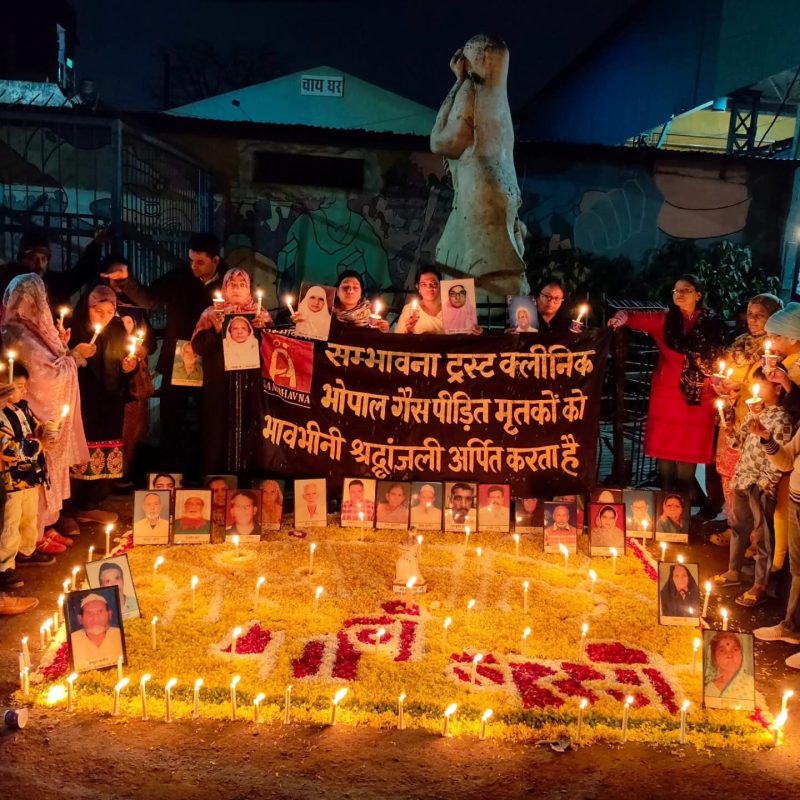
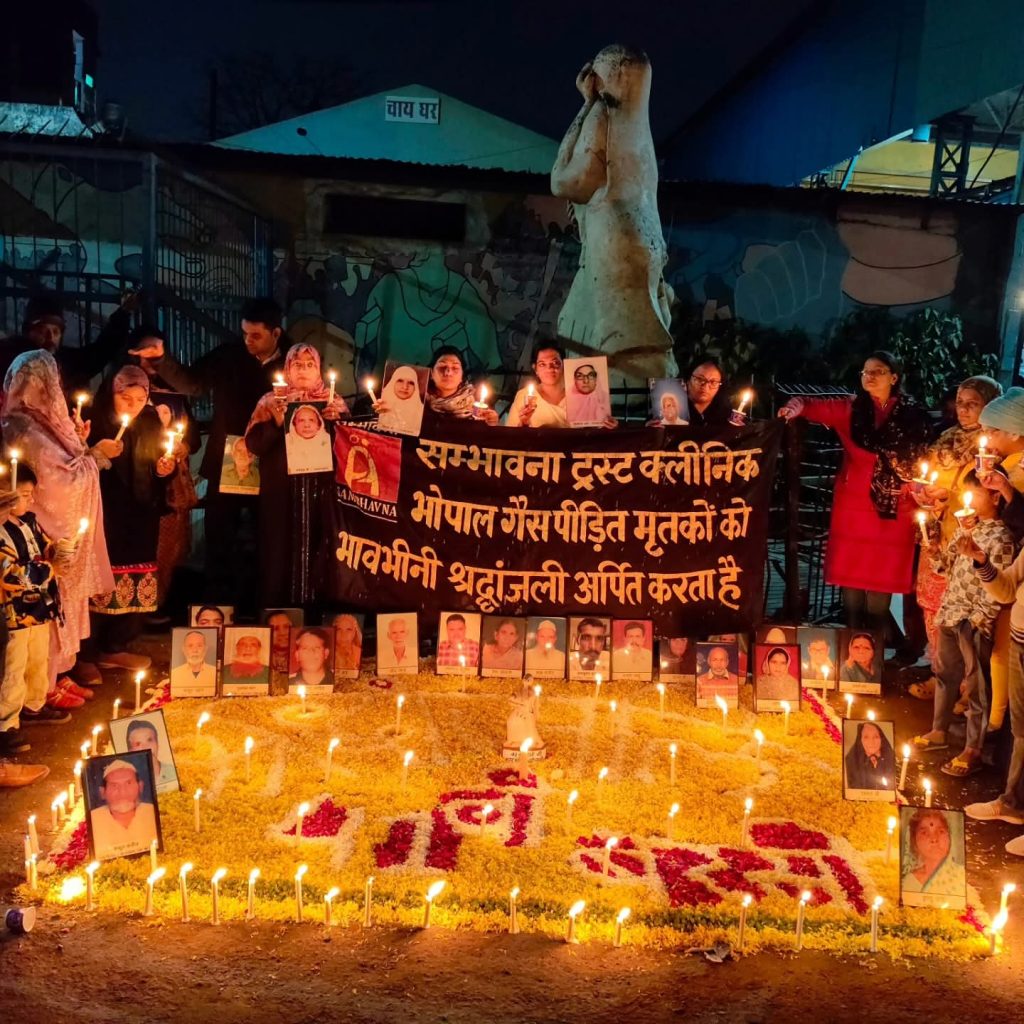
Following the incident, paltry amounts of compensation were paid to the dead and the survivors, a matter that has been raised again and again, but has gone unheeded by consecutive governments. Bishweshwar Das sends us a photo essay from ground zero in Bhopal on the anniversary of the gas tragedy marking the 41st anniversary of the Bhopal Gas tragedy considered as one of the biggest industrial disasters of this scale in the world. The essay takes a look at the survivors, and their physical and mental health four decades after the horrendous tragedy occured, and the process of rehabilitation by organisations such as Chingari Rehabilitation Centre & Sambhavna Clinic are underway.
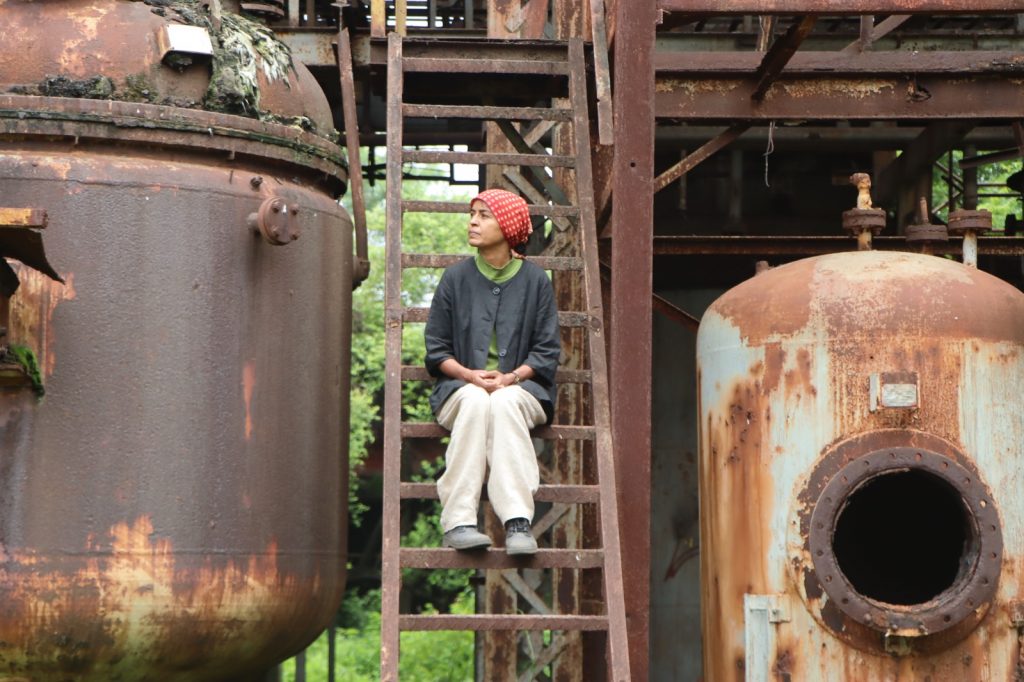
Interestingly enough, the water around the factory is still contaminated, and the toxins still present in the reactor tanks. As usual, it is the poor who have taken the brunt of this tragedy. As those conscious of what happens around us, we ask, is the process of rehabilitation in Bihar really on its way? What has been done, and what remains to be done really? A story in pictures.
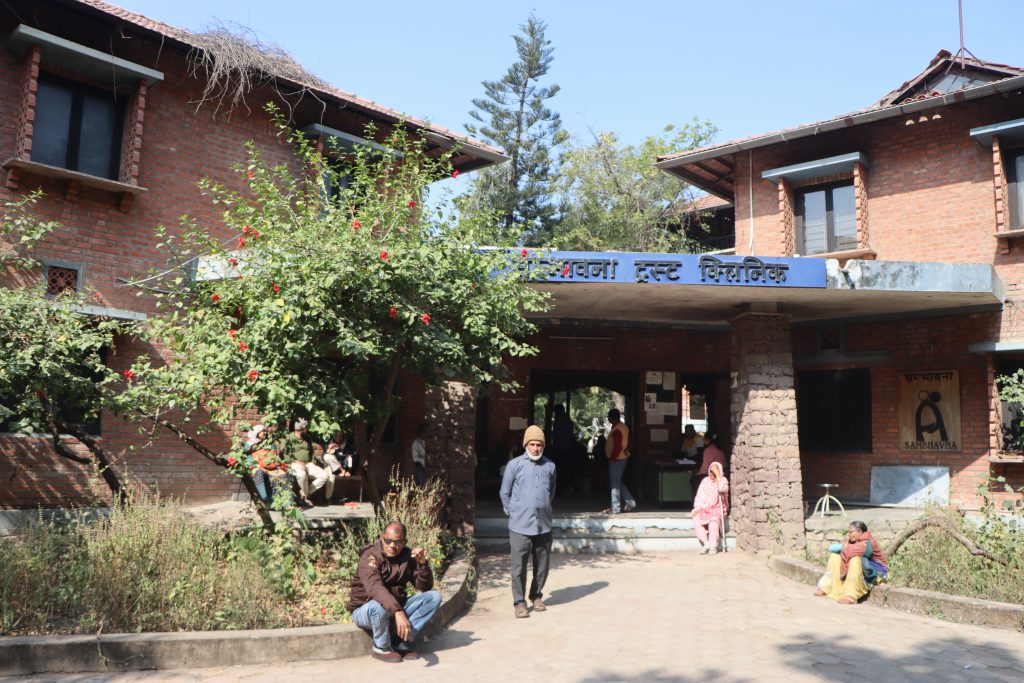
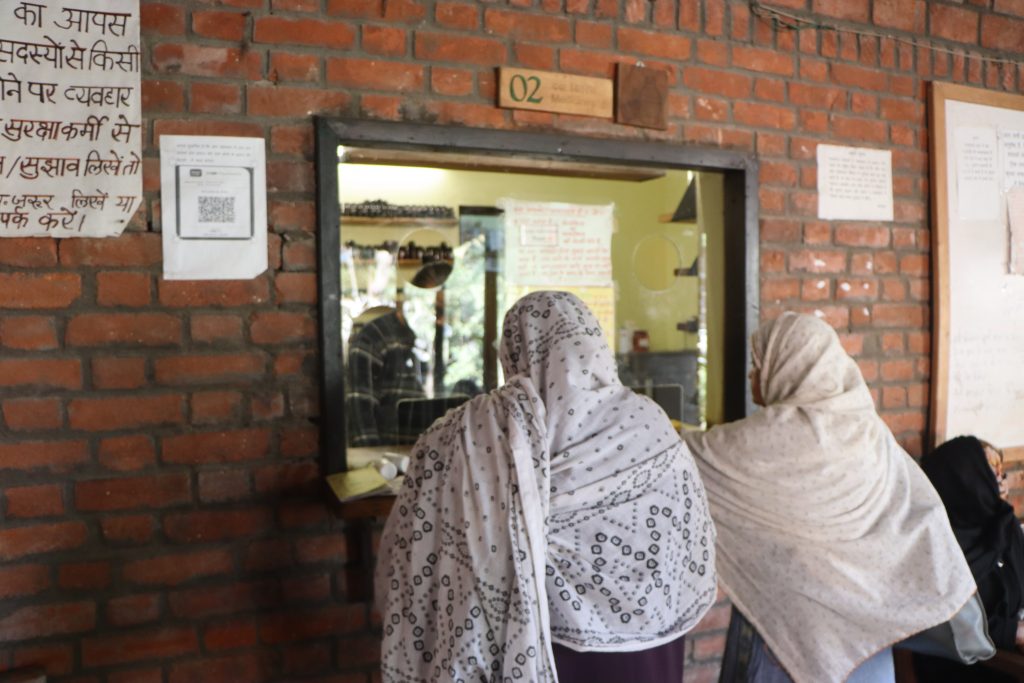
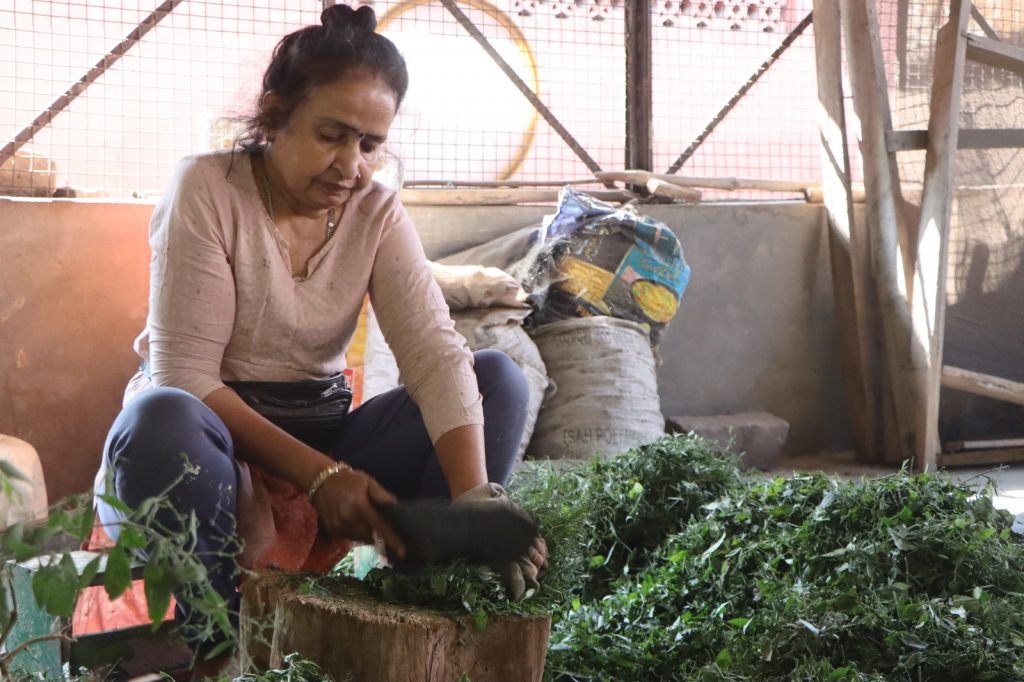
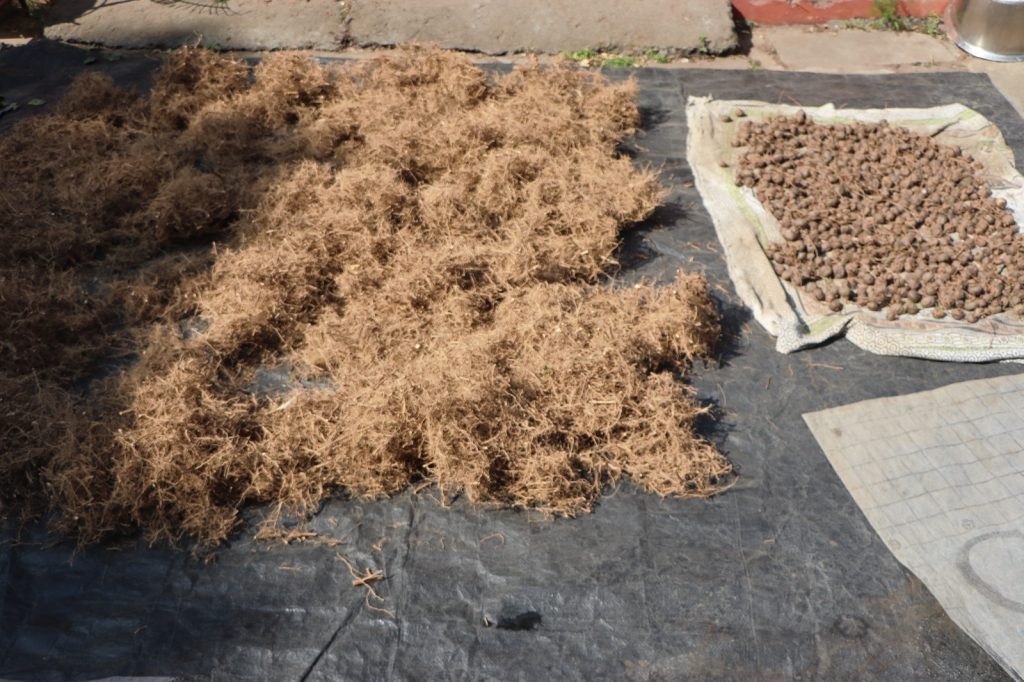
All images by Bishweshwar Das. Text by Maitreyee B. Chowdhury